


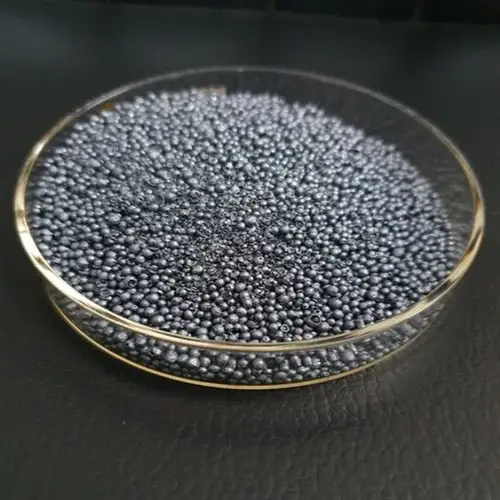
Purity | 99.5% |
Grade Standard | Reagent Grade |
Packaging Size | 50 kg |
Usage/Application | Laboratory |
Packaging Type | Bag |
CAS No | 7553 56 2 |
Iodine, symbolized as I and with atomic number 53, is a chemical element. It exists as a semi-lustrous, non-metallic solid at standard conditions, melting into a deep violet liquid at 114°C (237°F) and boiling into a violet gas at 184°C (363°F) 1. Here are some essential points about iodine:
Thyroid Health:
Iodine plays a crucial role in thyroid health.
The thyroid gland, located at the base of the neck, produces hormones that regulate metabolism, heart health, and more.
Iodine is necessary for thyroid hormone production.
While iodine deficiency is less common in regions with access to iodine-rich foods, it’s essential to maintain adequate levels.
Sources include dairy products, fortified foods, saltwater fish, and iodized salt.
Caution: Too much iodine can negatively impact the thyroid, so avoid excessive supplementation without professional guidance.
Goiter Prevention:
A goiter is an enlarged thyroid gland.
Iodine deficiency can lead to goiter development.
Adding iodine-rich foods or supplements to the diet can reverse iodine-induced goiters.
Radioactive Iodine:
Radioactive iodine (radioiodine) is used to treat overactive thyroid glands.
It helps destroy excess thyroid cells and reduce excessive hormone production.
